Common Drug Reactions That Affect the Skin: A Guide to Understanding Dermatological Issues in Muscat
- Jaweria Siraj
- Apr 30, 2025
- 5 min read

When it comes to skincare and overall health, many individuals in Muscat may not realize that some medications can trigger adverse reactions that affect the skin. These drug reactions can vary from mild irritations to severe conditions that require professional care. If you're looking for effective skincare solutions or experiencing skin issues due to medication, consulting with the افضل طبيب أمراض جلدية في مسقط is crucial for the best outcomes. In this article, we will explore some of the most common drug reactions that affect the skin, how they manifest, and how to manage these issues with expert care.
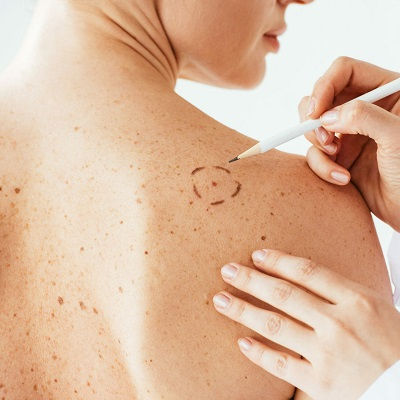
What are Drug Reactions on the Skin?
Drug reactions on the skin are not only uncomfortable but can also be alarming. They occur when certain medications interact with your body and cause unwanted effects on your skin, ranging from rashes and hives to more severe conditions like blistering or swelling. As the skin is the body's largest organ, any change or disruption in its appearance and health can be concerning.
When these reactions occur, it is essential to identify the cause and get medical attention as soon as possible. In Muscat, a Best Dermatologist in Muscat can help diagnose and treat drug-induced skin reactions. There are numerous types of skin reactions, some of which are more common than others. Below, we explore these reactions and provide insight into managing them effectively.
Types of Drug Reactions Affecting the Skin
Drug reactions on the skin can vary greatly depending on the type of medication involved. Here are some of the most common types of skin reactions caused by drugs:
RashesA rash is one of the most common skin reactions associated with medications. It can appear anywhere on the body and can range from mild redness to severe blistering. Rashes are often caused by antibiotics, pain relievers, or even chemotherapy drugs.
Hives (Urticaria)Hives are raised, red, itchy welts that often occur in response to a drug. Hives can appear quickly and are usually a result of an allergic reaction to certain medications such as penicillin or aspirin. They typically go away once the drug is discontinued.
PhotosensitivitySome medications, particularly certain antibiotics, diuretics, and antifungals, can make the skin more sensitive to sunlight. This condition, known as photosensitivity, can lead to severe sunburns even with minimal sun exposure. Patients experiencing this should limit sun exposure and wear protective clothing.
Erythema MultiformeThis is a more severe skin reaction that causes red, target-shaped lesions. It is most commonly triggered by certain antibiotics, antiviral drugs, and even vaccinations. Erythema multiforme can cause discomfort and, in some cases, may require hospitalization.
Stevens-Johnson Syndrome (SJS)Although rare, this is a life-threatening condition triggered by drug reactions, particularly with medications such as anticonvulsants, antibiotics, or nonsteroidal anti-inflammatory drugs (NSAIDs). SJS causes severe skin detachment and mucosal membrane involvement, and it requires immediate medical attention.
Drug-Induced Lupus Erythematosus (DILE)Some drugs, particularly those used for hypertension or certain antibiotics, can trigger a lupus-like reaction in the skin. This condition presents as a butterfly-shaped rash across the nose and cheeks, mimicking lupus symptoms.
How to Recognize a Drug-Induced Skin Reaction
Recognizing a drug-induced skin reaction can sometimes be tricky, as many of these reactions resemble other common skin conditions. However, knowing the signs can help you seek the right treatment. Here are some important symptoms to watch out for:
Itchy, red, or inflamed skin: Often a first sign of a reaction.
Bumps, blisters, or peeling skin: Indicative of a more serious reaction such as SJS.
Changes in skin texture: Skin that feels sore or tender after taking medication could signal a problem.
Fever or chills: These symptoms may accompany more severe skin reactions.
If you notice any of these symptoms after starting a new medication, it's crucial to stop the drug immediately and consult with a Best Dermatologist in Muscat for an accurate diagnosis.
What to Do If You Experience a Skin Reaction
If you suspect a drug reaction is affecting your skin, follow these steps:
Discontinue the Medication The first step in managing any drug-induced skin reaction is to stop taking the medication causing the issue. However, always consult your doctor before discontinuing any medication.
Consult with a Dermatologist Visit the Best Dermatologist in Muscat who specializes in skin reactions to medications. A professional will assess your symptoms, provide a diagnosis, and recommend the best treatment options.
Stay Hydrated and Moisturized Keeping your skin hydrated is essential during a drug-induced reaction. Use mild, fragrance-free moisturizers to soothe irritated skin.
Avoid Sun Exposure If the reaction is due to photosensitivity, avoid direct sunlight and apply sunscreen regularly to protect your skin from further damage.
Take Antihistamines or Steroid Creams For mild reactions such as rashes or hives, antihistamines or topical steroid creams may be prescribed to alleviate symptoms.
Follow-Up Care Depending on the severity of the reaction, your dermatologist may recommend follow-up visits to ensure the skin heals properly and no complications arise.
How to Prevent Drug-Induced Skin Reactions
While it’s not always possible to prevent skin reactions to medications, there are some steps you can take to minimize your risk:
Be Informed: Understand the potential side effects of any new medications you’re prescribed. Your doctor should provide this information during the consultation.
Start with a Patch Test: Before using a new medication or topical treatment, ask your dermatologist about conducting a patch test to check for any allergic reactions.
Monitor Your Skin Regularly: Keep an eye on your skin for any changes, especially if you’re starting a new drug. Early detection of a skin issue can lead to faster treatment and less severe outcomes.
The Role of the Best Dermatologist in Muscat in Managing Drug-Induced Skin Reactions
If you're in Muscat and dealing with skin reactions from medications, seeking help from the Best Dermatologist in Muscat is essential. An experienced dermatologist will not only help identify the cause of your skin reaction but also create a personalized treatment plan that may include medication adjustments, skin treatments, and lifestyle changes to improve your skin’s health.
In Muscat, renowned dermatologists have the expertise to manage all types of drug-induced skin reactions. They can also provide advice on skincare routines that complement your treatment and enhance the healing process.
Final Thoughts
Drug-induced skin reactions can cause significant distress, but with the right care and attention, they are manageable. Whether you experience a mild rash or a more severe condition like Stevens-Johnson syndrome, it’s crucial to seek the help of the Best Dermatologist in Muscat for a timely diagnosis and treatment. Always be aware of the medications you're taking and how they may affect your skin. Early intervention can prevent long-term damage and help restore your skin to its natural beauty.


Comments