How to Explain Surgery to Classmates and Friends: Understanding Palate Repair Surgery with Ease
- Jaweria Siraj
- May 29, 2025
- 5 min read

Explaining a surgery to classmates and friends—especially something like palate repair surgery—can feel overwhelming at first. Whether you’ve undergone the procedure yourself or someone close to you has, sharing the experience with others in a relatable way can build understanding, empathy, and support. If you or someone you know had the افضل جراحة إصلاح الحنك في مسقط, this guide will help you break it down in a conversational and informative tone without overwhelming your audience.
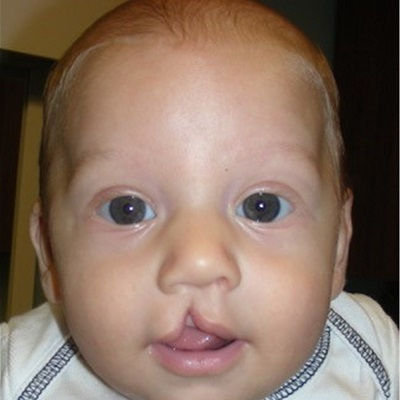
Palate repair surgery is a medical procedure done to fix a cleft palate—a condition where the roof of the mouth (palate) doesn't fully form during early pregnancy. With advanced medical care and a supportive healthcare environment, Muscat has become a trusted location for those seeking top-level reconstructive procedures, including the best palate repair surgery in Muscat. Let’s dive into how you can talk about it in a simple, clear, and even empowering way.
Start With the Basics
When you first explain the surgery, it's helpful to provide a quick definition.
What is Palate Repair Surgery?It’s a surgery performed to close the opening in the roof of the mouth caused by a cleft palate.
Why is it important?It helps with essential functions like eating, speaking, and even breathing properly.
Make it clear that while the idea of surgery may sound scary, it's a common and life-improving procedure—especially when done by expert surgeons like those known for the best palate repair surgery in Muscat.
Make It Relatable
Your friends and classmates may not understand medical terminology. So use comparisons or examples they can grasp easily.
Compare it to fixing something important.Just like fixing a broken part in a machine helps it work better, palate repair helps a person speak, eat, and grow more normally.
Use real-world language."It’s like having a gap in the roof of your mouth that makes eating and speaking tough. The surgery closes that gap."
Explain the Experience (Without Graphic Detail)
People are often curious about what happens before, during, and after the surgery. You can explain in a way that educates without alarming them.
Before Surgery
Doctors check the patient’s overall health
They create a customized surgical plan
A date is set, and preparation begins
During Surgery
The child or patient is under general anesthesia (asleep and pain-free)
A surgeon carefully closes the gap in the palate
The surgery usually takes 2-3 hours
After Surgery
There’s recovery in the hospital
Follow-up appointments to ensure healing
Sometimes speech therapy is needed afterward
This can help others appreciate the seriousness but also the hopeful outcome of going through something as transformative as the best palate repair surgery in Muscat.
Use Visual Language
Even without actual images, you can paint a mental picture.
“Imagine trying to drink water with a small hole in the roof of your mouth—it would spill into your nose. This surgery fixes that.”
“After the surgery, it’s like closing a door that was open. Now everything works better.”
This kind of storytelling makes it easier for classmates to understand why the surgery matters and how life-changing it can be.
Include Some Facts to Add Credibility
A few statistics or facts can help your friends understand the real-world impact of this type of procedure.
One in every 700 babies is born with a cleft lip or palate.
Early surgery (usually between 6–18 months of age) can significantly improve quality of life.
Children who undergo the surgery often go on to live normal, healthy lives.
Address Common Questions or Misconceptions
Sometimes classmates might ask things out of curiosity or concern. Be ready to address these.
“Will the person look different after surgery?”Yes, but in a good way—it helps make things more symmetrical and functional.
“Does it hurt?”Pain is managed very carefully with medication. Most people recover well.
“Is it risky?”Every surgery has some risk, but modern palate repairs—especially those done by experts in Muscat—are very safe.
Highlight the Emotional Side
Going through surgery can also affect someone emotionally. It’s okay to talk about that too.
It can be a little scary at first, but support from doctors, family, and friends makes a huge difference.
After surgery, people often feel more confident and happier—especially when they can speak more clearly or eat without discomfort.
If the person had their procedure at a recognized clinic offering the best palate repair surgery in Muscat, they likely received not just medical support but also emotional and psychological care as part of their recovery.
Use Empowering Language
When talking to classmates, choose words that inspire rather than generate pity.
Say: “She had surgery to fix her palate so she could speak better.”Instead of: “She was born with a defect.”
Say: “He’s recovering like a champ after having palate surgery.”Instead of: “He had a hard time with his face.”
Framing the conversation positively can help others see the surgery as a story of resilience and strength.
Emphasize the Outcome
Focus on what changes after the surgery. This helps friends appreciate its value.
Better speech clarity
Easier eating and drinking
More self-confidence
Less risk of ear infections or nasal issues
All these positive outcomes are especially common when the procedure is done by leading specialists in places like Muscat, where many families trust the best palate repair surgery in Muscat for high-quality results.
Talk About Ongoing Care
Explain that recovery doesn’t stop at the hospital door.
Regular follow-ups with the doctor
Possible speech therapy
Nutritional guidance during healing
Emotional support from family, teachers, and friends
This paints a picture of long-term success, not just a one-time fix.
Talk About the Bigger Picture
Palate repair surgery isn’t just about fixing a gap. It’s about giving someone a voice, a smile, and a future.
By explaining it in a calm, clear, and confident way, you help normalize something that could otherwise feel intimidating or isolating. And in Muscat, where many patients trust expert hands to deliver results, the best palate repair surgery in Muscat represents not just skill but hope.
Key Tips for Explaining Surgery to Friends
Use simple words and comparisons
Keep the tone positive and empowering
Be open to questions without getting overwhelmed
Share only what you're comfortable with
Focus on recovery, success, and resilience
Remember: you're educating others and spreading awareness
Final Thoughts
Explaining palate repair surgery doesn’t have to be complicated. It’s about helping your friends understand that surgery is often a brave and beneficial step in someone’s life journey. When the procedure is performed by trusted professionals—like those known for offering the best palate repair surgery in Muscat—the results speak volumes, both physically and emotionally.


Comments