The Role of 3D Imaging in Planning Your Tummy Tuck Surgery Muscat
- Jaweria Siraj
- Aug 3, 2024
- 3 min read

Introduction
In the realm of cosmetic surgery, advancements in technology have significantly enhanced the precision and outcomes of various procedures. One such advancement is the use of 3D imaging in planning surgeries, particularly in procedures like Tummy Tuck Surgery Muscat (abdominoplasty). This article explores the role of 3D imaging in planning a tummy tuck, detailing its process, benefits, and characteristics, and concluding with its impact on surgical outcomes.
Process
Initial Consultation and Evaluation The process begins with an initial consultation between the patient and the plastic surgeon. During this meeting, the surgeon evaluates the patient's overall health, discusses aesthetic goals, and examines the abdominal area. This assessment helps determine if a tummy tuck is the appropriate procedure.
3D Imaging Preparation After the initial evaluation, the patient undergoes a 3D imaging scan. The process involves the use of specialized imaging equipment that captures detailed, three-dimensional images of the abdomen. This is usually done through a high-resolution camera or a 3D scanning system.
Image Capture and Analysis The 3D imaging system captures multiple angles of the abdomen, creating a comprehensive digital model. The images are analyzed by the surgeon, who examines factors such as skin laxity, muscle separation, fat distribution, and overall abdominal contour.
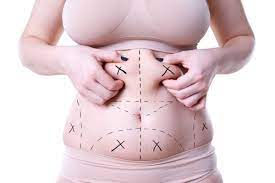
Surgical Planning and Simulation Using the 3D images, the surgeon can simulate different surgical approaches. This includes planning the incision locations, predicting the amount of tissue to be removed, and visualizing the final results. The 3D model allows the surgeon to make precise adjustments and tailor the procedure to the patient’s unique anatomy.
Patient Visualization and Feedback The 3D imaging technology also allows patients to see a virtual representation of the expected outcomes. This visualization helps patients understand the potential changes to their appearance and provides an opportunity for feedback and adjustments before the actual surgery.
Benefits
Enhanced Precision 3D imaging provides a detailed view of the abdominal anatomy, enabling surgeons to plan with greater accuracy. This precision helps in minimizing surgical risks and improving the overall outcome of the tummy tuck.
Customized Surgical Approach With a detailed 3D model, surgeons can create a personalized surgical plan that aligns with the patient’s specific needs and goals. This customization enhances the effectiveness of the procedure and ensures that the results meet the patient’s expectations.
Improved Patient Communication The ability to show patients a virtual preview of their post-surgery appearance helps in setting realistic expectations. It fosters better communication between the patient and surgeon, ensuring that both parties are aligned on the desired outcomes.
Reduced Risk of Complications By accurately assessing the anatomy and planning the procedure, 3D imaging reduces the likelihood of complications. Surgeons can identify potential issues and address them proactively, leading to smoother surgeries and quicker recoveries.
Better Post-Operative Outcomes The precision in planning and execution afforded by 3D imaging typically results in improved aesthetic results. Patients often experience better contouring and more satisfying outcomes, enhancing their overall satisfaction with the procedure.
Characteristics
High-resolution imaging 3D imaging systems offer high-resolution images that provide a detailed view of the abdominal area. This clarity is crucial for accurate surgical planning.
Interactive Simulations The technology allows for interactive simulations, where surgeons can manipulate the 3D model to test different surgical scenarios. This flexibility aids in selecting the optimal approach.
Real-Time Visualization Surgeons can view the 3D images in real time, making immediate adjustments and decisions based on the dynamic data provided by the imaging system.
Patient-Friendly Interface Modern 3D imaging systems are designed with user-friendly interfaces that facilitate easy communication of surgical plans and expected outcomes to patients.
Conclusion
The integration of 3D imaging technology into the planning of tummy tuck procedures represents a significant advancement in cosmetic surgery. By providing detailed, interactive, and high-resolution images, 3D imaging enhances the precision of surgical planning, improves patient communication, and ultimately leads to better surgical outcomes. As technology continues to evolve, the role of 3D imaging in planning and executing cosmetic surgeries will likely expand, offering even greater benefits to both patients and surgeons.


Comments