The Role of Exercise in Best Tummy Tuck Surgery In Muscat Recovery
- Jaweria Siraj
- Jul 11, 2024
- 2 min read

Introduction
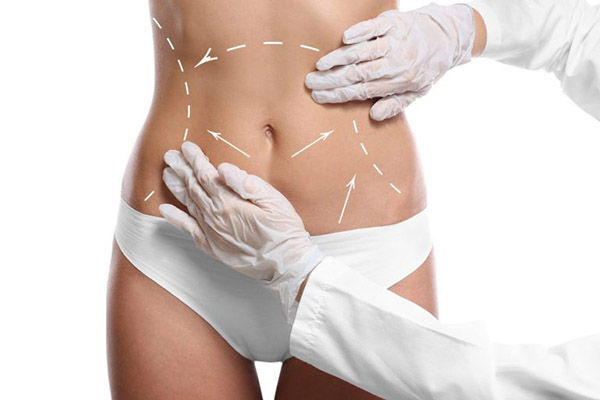
Tummy tuck surgery, or abdominoplasty, is a popular cosmetic procedure aimed at removing excess skin and fat from the abdomen to achieve a flatter, more toned appearance. While the Best TUMMY TUCK SURGERY in Muscat techniques continue to advance, recovery plays a crucial role in achieving optimal results and restoring physical activity levels. Exercise, when approached correctly, can significantly aid in the recovery process after a tummy tuck.
Process
Post-Surgery Care: Immediately after surgery, patients are advised to rest and follow post-operative instructions provided by their surgeon. This includes wearing compression garments to reduce swelling and support the abdomen.
Gradual Resumption of Physical Activity: Typically, patients can start with light walking within a few days to promote circulation and prevent blood clots. It's important to avoid strenuous activities during the initial recovery phase.
Guided Exercise Program: Around 4-6 weeks post-surgery, patients can begin a structured exercise program under the guidance of their surgeon or a qualified physical therapist. This program focuses on gentle movements and exercises that promote healing without putting strain on the abdominal muscles.
Building Strength and Flexibility: As healing progresses, exercises are gradually intensified to include core-strengthening activities like pelvic tilts, gentle yoga poses, and light resistance training. These exercises help rebuild abdominal muscle tone and improve overall body strength.
Cardiovascular Conditioning: Incorporating low-impact cardio exercises such as walking, stationary cycling, or swimming can enhance cardiovascular health and aid in overall recovery.
Benefits
Enhanced Healing: Proper exercise improves blood circulation, delivering essential nutrients and oxygen to healing tissues, which accelerates recovery.
Muscle Tone Restoration: Tummy tuck surgery often involves tightening the abdominal muscles. Gentle exercises help maintain and enhance this muscle tone over time.
Mental Well-being: Physical activity releases endorphins, promoting a positive mood and reducing stress levels during the recovery period.
Long-Term Results: Engaging in a structured exercise program post-surgery can contribute to maintaining the results achieved through abdominoplasty, promoting a healthier lifestyle overall.
Characteristics
Safety First: Exercise programs are tailored to each patient's unique recovery timeline and physical condition to ensure safety and efficacy.
Progressive Approach: Starting with low-impact activities and gradually increasing intensity helps prevent complications and supports long-term healing.
Individualized Plans: Surgeons and physical therapists customize exercise plans based on the extent of surgery, age, fitness level, and any pre-existing medical conditions.
Patient Education: Patients are educated on the importance of exercise, proper technique, and signs to watch for that may indicate overexertion or complications.
Conclusion
In conclusion, exercise plays a pivotal role in the recovery journey following tummy tuck surgery. From enhancing healing and restoring muscle tone to fostering mental well-being, incorporating a structured exercise regimen supports the long-term success of abdominoplasty. Patients should consult with their surgeon to develop a personalized exercise plan that aligns with their recovery goals and ensures a safe and effective path to achieving the desired aesthetic outcomes


Comments