When Is the Right Time for Orthognathic Surgery After Palate Repair?
- Jaweria Siraj
- May 30, 2025
- 4 min read

Orthognathic surgery, commonly referred to as corrective jaw surgery, plays a vital role in restoring function and aesthetics in individuals who have undergone جراحة إصلاح الحنك عمان. In Oman, where advanced surgical options and growing awareness about craniofacial care are available, many patients and families often wonder: When is the right time for orthognathic surgery after palate repair? This decision isn’t just about medical readiness—it’s about optimal timing for long-term success.
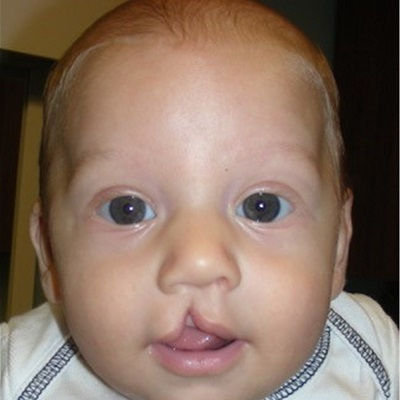
Whether you’ve recently undergone palate repair surgery in Oman or are navigating the journey ahead, understanding the timeline for orthognathic surgery is crucial. This guide explores the ideal age, preparation phases, clinical markers, and emotional considerations involved in timing jaw surgery after a repaired cleft palate. By aligning functional needs with facial development, patients can enjoy better results both structurally and aesthetically.
Understanding the Purpose of Orthognathic Surgery Post-Palate Repair
Orthognathic surgery is typically performed when there's a noticeable jaw misalignment that can’t be corrected with orthodontics alone. After palate repair, individuals may experience complications such as:
Malocclusion (bite problems)
Facial asymmetry
Speech difficulties
Breathing or chewing issues
This surgical procedure repositions the upper jaw (maxilla), lower jaw (mandible), or both, allowing the teeth and facial bones to function and appear as naturally intended.
Why Timing Matters
Choosing the correct time for orthognathic surgery after palate repair surgery in Oman ensures:
Stable bone structure and growth patterns
Reduced need for repeat surgeries
Enhanced orthodontic outcomes
Improved facial symmetry and quality of life
Orthognathic surgery is a collaborative decision made by oral surgeons, orthodontists, and sometimes speech pathologists. Timing affects not only cosmetic outcomes but also functional improvements like speech and airway health.
Ideal Age Range for Orthognathic Surgery
The surgery is generally recommended after facial growth is complete, typically:
Girls: Between 15–17 years
Boys: Between 17–19 years
However, individual growth assessments—such as cephalometric analysis and hand-wrist X-rays—can better determine skeletal maturity.
Growth Monitoring Is Critical
Long before the actual surgery, patients need to undergo routine evaluations. These include:
Yearly orthodontic consultations
Panoramic and lateral cephalometric X-rays
Photographic facial analysis
Speech and bite assessments
Early monitoring allows for effective planning and prevents rushed decisions that could affect long-term stability.
Orthodontic Preparation Before Surgery
Orthodontic treatment plays a preparatory role before jaw surgery. The process includes:
Initial braces placement: To align teeth over each jaw.
Decompensation phase: Moving teeth into proper positions in preparation for surgery.
Pre-surgical alignment: Ensures the bite is ready to meet post-surgical needs.
Expect orthodontic treatment to last 12–18 months before surgery can be performed.
Surgical Considerations Specific to Post-Palate Repair Patients
Patients with prior palate repair surgery often present with:
Scar tissue around the upper jaw
Altered maxillary bone growth
Asymmetrical nasal or lip structure
These factors require specialized planning, often involving:
3D imaging and simulation
Advanced bone grafting techniques if necessary
Interdisciplinary surgical coordination
In Oman, expert craniofacial centers are increasingly equipped to handle such complex interventions.
Common Types of Jaw Corrections After Palate Repair
Each patient's needs are unique, but common procedures include:
Le Fort I Osteotomy: To advance or reposition the upper jaw
Bilateral Sagittal Split Osteotomy (BSSO): For repositioning the lower jaw
Genioplasty: Chin contouring, if required for facial balance
Sometimes these are done in combination to restore harmony to the face and improve airway flow.
Signs It's Time for Orthognathic Surgery
Certain signs indicate readiness for surgery:
Facial growth is complete (confirmed by X-ray)
Persistent jaw pain or difficulty chewing
Inability to close lips naturally
Severe open bite or crossbite
Speech continues to be affected despite therapy
If these are present after palate repair surgery, then a full surgical workup is justified.
Emotional and Psychological Readiness
The psychological aspect of orthognathic surgery should never be overlooked. Young adults should:
Fully understand the surgical process
Feel mentally prepared for recovery time
Be ready for lifestyle modifications during healing
Have realistic expectations about cosmetic outcomes
Support from parents, counselors, and care teams plays a key role in emotional preparation.
Recovery and Post-Surgical Care
Recovery is as crucial as the surgery itself. Most patients should expect:
Hospital stay: 2–3 days
Initial healing period: 2–4 weeks
Full bone healing: Up to 6 months
Post-operative care includes:
Liquid/soft diet for several weeks
Speech therapy for articulation improvement
Regular orthodontic adjustments to finalize the bite
Importance of a Multidisciplinary Team
In Oman, palate repair surgery often includes follow-up care by an integrated team:
Plastic surgeons for cleft and scar revision
Oral and maxillofacial surgeons for bone repositioning
Orthodontists for alignment
Speech therapists for functional outcomes
ENT specialists for airway monitoring
A collaborative approach ensures holistic care that addresses both functional and aesthetic needs.
Role of Technology in Surgical Planning
Modern surgical tools and planning software have transformed jaw surgery. Tools often used include:
3D facial scans
Virtual surgical simulation (VSP)
Custom surgical splints
CAD/CAM technology
These help surgeons anticipate challenges, refine movements, and improve symmetry—especially crucial in cases following palate repair surgery.
Common Myths Debunked
Myth 1: You must get jaw surgery immediately after palate repair.Truth: Waiting until facial growth finishes ensures better results.
Myth 2: Only cosmetic results matter.Truth: Functional issues like speech, chewing, and breathing are equally critical.
Myth 3: Surgery leaves permanent facial changes that are unnatural.Truth: Most patients report improved confidence and balanced features.
Case Studies from Oman: Transformative Results
Many success stories from Oman highlight how timely jaw surgery can lead to life-changing improvements. Patients report:
Boost in self-esteem
Clearer speech
Better eating and breathing functions
Balanced facial appearance
These outcomes emphasize the importance of choosing the right surgical window after palate repair surgery in Oman.
Tips for Parents and Patients
Begin consultations early—by age 8–10 if palate repair has been completed.
Schedule regular check-ins with an orthodontist experienced in craniofacial cases.
Maintain open communication with your surgical team.
Support your child emotionally throughout the process.
Never rush into surgery; wait for the right timing based on bone growth.
Final Thoughts
Timing is everything when it comes to orthognathic surgery after palate repair surgery. For patients in Oman, access to modern techniques, experienced professionals, and comprehensive follow-up care make successful outcomes more achievable than ever. While every case is unique, the consensus among experts is clear: wait until growth is complete, prepare well, and commit to long-term follow-up.
Through proper planning, coordinated care, and emotional readiness, orthognathic surgery can significantly enhance both the function and appearance of individuals who have undergone palate repair. It's not just about fixing the bite—it's about rebuilding confidence, restoring symmetry, and reclaiming quality of life.


Comments